August 10, 2026
In an increasingly uncertain world, the integration of fire and security systems has become a crucial consideration for property owners. This unified approach enhances the overall defense of life and assets. The following text explores the symbiotic relationship between various domains, underlining their essential roles. By examining the elements that make up these configurations, we gain insight into their collective power. Understanding such integrations leads to improved decision-making when protecting properties, which brings us to the foundational elements you need to evaluate for your property.
Evaluating Your Defense Options
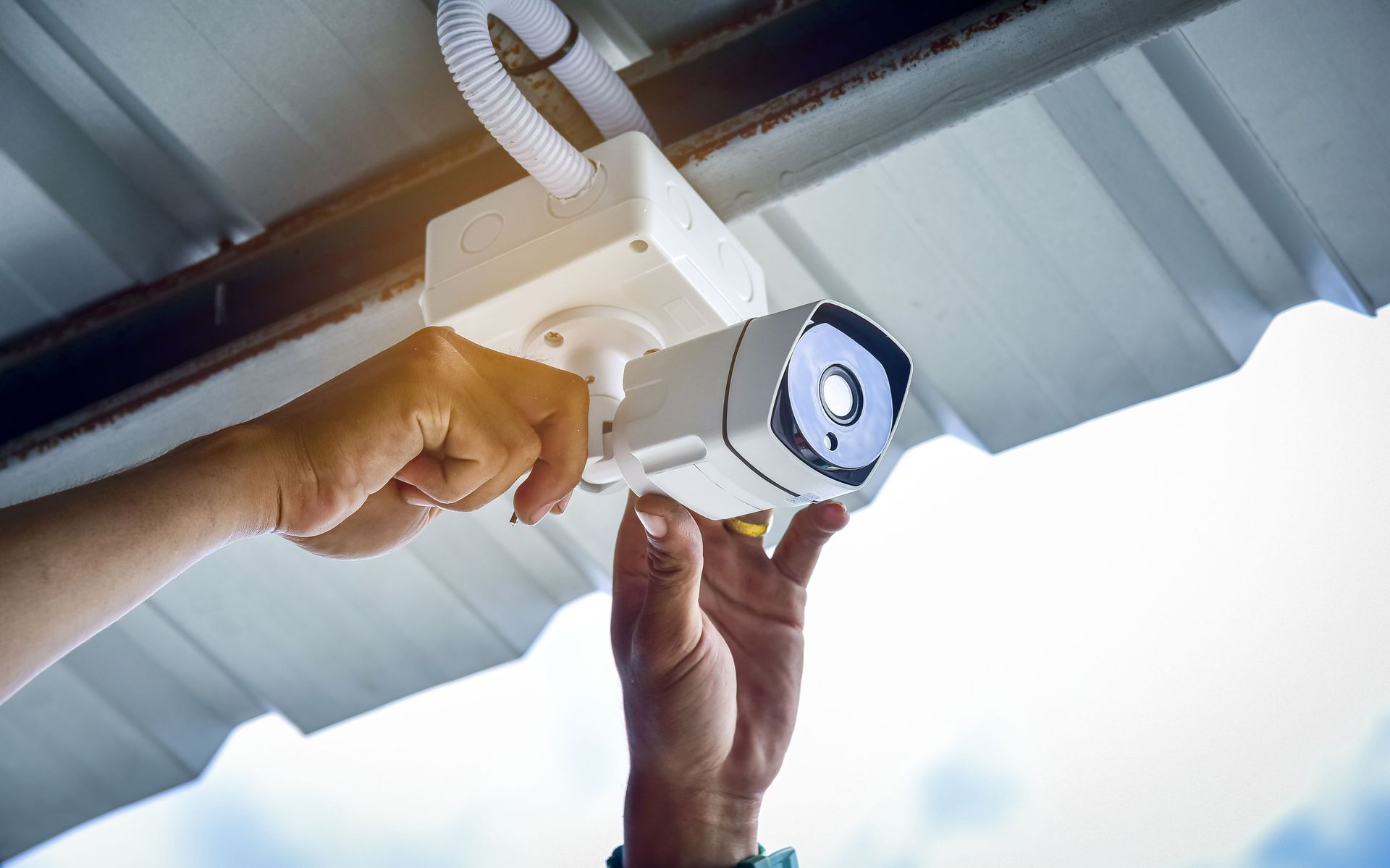
Protective setups vary widely, with each designed to address specific safety needs. Burglar alarms are one of the most common types, providing an alert against unauthorized entry. The deployment of video surveillance systems plays an equally critical role, offering visual recordings crucial for evidence. When restricting entry to specific areas, access systems provide multiple layers of defense. Combining them provides comprehensive security systems for protecting properties from various threats. According to The Zebra, residential properties lacking a security system face a 300% higher probability of experiencing a break-in and being burglarized. Evaluation processes should be thorough.
Examining Core Component Parts
At the heart of any protective network are key components, each playing a distinct role in ensuring effective operation. Sensors detect unusual activities or breaches, serving as the eyes and ears of your setup. Control panels act as the brains, processing information and triggering appropriate responses. Alarm notification devices alert occupants and authorities about suspicious activity. Each component works harmoniously, forming a cohesive line of defense. Modern control panels feature digital interfaces, allowing for remote monitoring. These advancements underscore the evolving nature of modern security systems and their adaptability.
Detecting Intruders With Care
Intrusion detection is a fundamental function achieved through various sophisticated methods. Motion sensors are a common choice, detecting changes in infrared radiation as intruders move. Door and window contacts offer an additional layer by signaling the network when entry points are breached. Glass-break detectors complement these by identifying the unique sound frequencies of breaking glass. Each method has unique advantages, tailored to address specific concerns. For a setup to be truly effective, a combination of these detection methods is often deployed. Many modern tools feature machine learning capabilities, significantly improving reliability.
Monitoring Activity for Safety
Monitoring services play a vital role in amplifying the effectiveness of security systems across the board. These services often involve trained professionals who oversee alerts and decide on the appropriate action. By continuously monitoring notifications, they provide an additional layer of protection, ensuring swift responses. When a trigger occurs, the monitoring service quickly evaluates the situation and alerts local authorities if necessary. This prompt action prevents potential damage and ensures occupant safety. By offloading the responsibility from property owners, these services help avoid unnecessary stress and decrease potential losses.
Advancing Through New Technology
The dynamic field of modern technology continues to evolve, with advancements enhancing capabilities and user experience. Artificial intelligence integration has brought about significant improvements, enabling intelligent threat detection. Smart home compatibility offers users unprecedented control, allowing for central management of residential and commercial alarm systems alongside other building functions. Mobile app controls further empower residents, providing real-time updates and the ability to make instant adjustments from anywhere. By learning from observed patterns, artificial intelligence differentiates between normal and suspicious activities, minimizing false alarms and making these tools accessible to a broader audience.
Classifying Active and Passive Tools
Safety frameworks are categorized into active and passive types, each serving a distinct purpose in mitigating fire-related risks. Active layouts actively fight fires and include installations such as sprinklers, extinguishers, and alarms. Sprinkler setups automatically activate upon detection of fire, effectively reducing heat and suppressing flames. Fire extinguishers provide immediate, on-the-spot control for smaller fires. Passive measures involve materials and construction techniques that limit fire spread, buying occupants valuable time to evacuate. Understanding the different types is crucial for ensuring comprehensive safety. The balance between these elements is critical, compensating for potential shortcomings.
Reviewing Essential Hardware Pieces
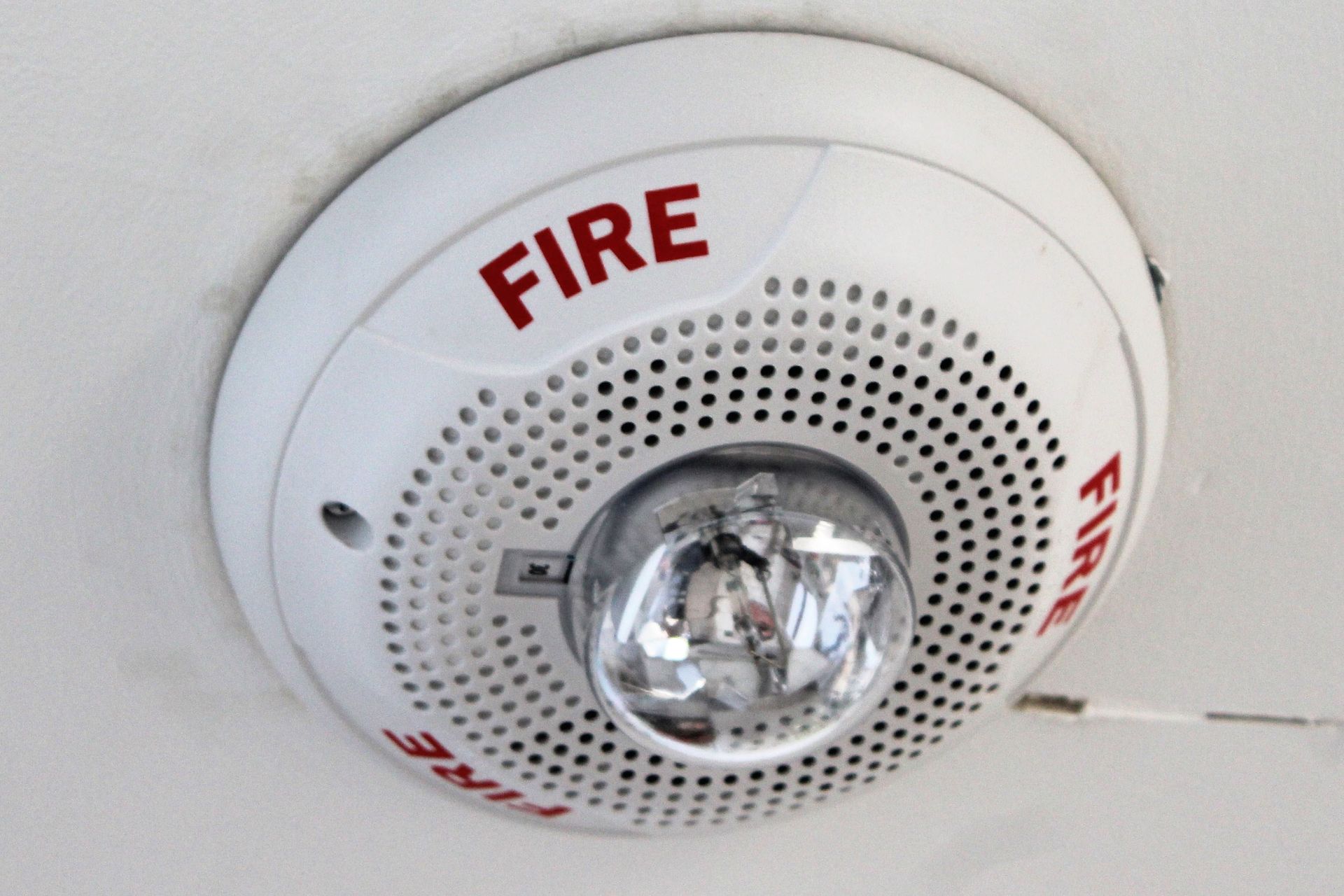
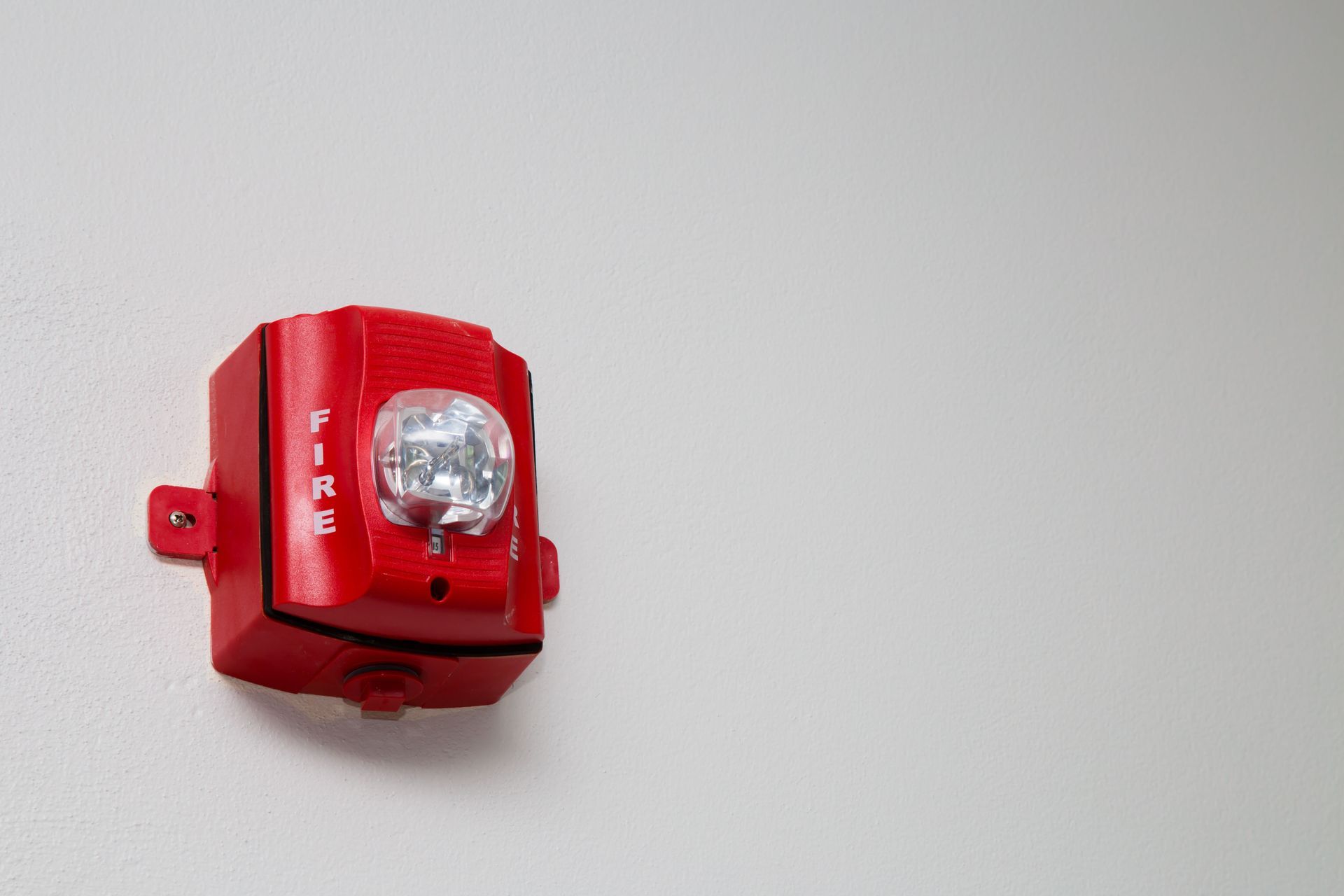
Essential components form the foundation of any reliable safety infrastructure, contributing to its overall efficacy. Smoke detectors play a vital role by alerting occupants to the presence of smoke, often before a fire becomes visible. Heat detectors address scenarios where smoke detection might not be adequate, such as in kitchens. Alarm devices serve as the communication link, ensuring that any detection leads to immediate notification and action. Prioritizing reliable components and regular maintenance guarantees readiness in the face of emergencies and prevents future failures.
Sensing Smoke and Heat
Detection tools are designed to identify the early signs of a fire, ensuring timely alerts and rapid response. Smoke sensors detect changes in air quality, often identifying a fire before it becomes visible. They typically utilize ionization or photoelectric technology to monitor smoke levels, promptly sounding alarms upon detection. Heat sensors target temperature fluctuations, triggering alerts when a rapid increase suggests a potential fire. Ionization smoke detectors are particularly sensitive to small particles from fast-flaming fires. Testing smoke and heat sensors regularly prevents malfunction and ensures correct reactions during incidents.
Maintaining Equipment for Long-Term Reliability
Routine upkeep of your safety infrastructure is pivotal in ensuring its readiness and functionality during emergencies. Complex machinery requires periodic inspections and testing to operate correctly throughout the year. Ensuring that components such as smoke detectors, heat sensors, and fire systems function as intended minimizes risks and maximizes safety. Maintenance schedules typically involve checking sensors for correct placement and sensitivity, ensuring alarm audibility, and verifying visual indicators. Routine testing helps identify potential faults early, preventing costly and dangerous failures during actual incidents. The cost of maintenance is minor compared to potential losses.
Innovating With Digital Upgrades
Technological innovations have transformed traditional safety approaches, offering more efficient and responsive solutions. Digital alarm communication has advanced, enabling faster and more reliable alerts within buildings and to emergency services. Integration with smart frameworks and the Internet allows for real-time monitoring and control using connected devices. These enhancements have elevated the capabilities of security systems across the country, boosting their effectiveness and timeliness. Smart platforms can now notify residents of threats through mobile alerts, facilitating quicker evacuations. Emerging innovations promise earlier threat detection, making the future look promising with increased capability.
Combining Functions for Efficiency
Integrating multiple frameworks offers numerous benefits, establishing a more comprehensive safety solution. Unified platforms streamline operations, allowing property owners to manage both fire and security systems from a central dashboard. This integration facilitates quicker responses, as alerts trigger appropriate actions across multiple channels. For example, when a fire alarm is activated, automated systems can prompt the unlocking of doors for safe evacuations. Cost savings are an additional advantage, as dual-function devices and shared infrastructure reduce installation expenses. Combining fire protection and safety tools enables property owners to enjoy cohesive operations without fragmented management.
Overcoming Technical Hurdles Now
The integration of various systems presents technical challenges that must be addressed to achieve seamless operation. Compatibility between different products can be a significant hurdle, as proprietary technologies may not easily interface with one another. Additionally, the need for synchronized operation creates complexities in programming, requiring careful coordination to ensure accurate responses. Legacy hardware can pose another challenge, as older technology may not support integration with newer solutions. Despite these challenges, industry standards provide pathways to overcome these integration obstacles. Implementing middleware solutions can create a bridge between different technologies, allowing seamless data translation.
Ultimately, implementing a unified defense strategy is paramount for safeguarding your property and the people inside it. By combining top-tier protection methods, building owners achieve a level of preparedness that standalone units simply cannot match. It is vital to consistently evaluate and update your infrastructure to stay ahead of modern threats. We are dedicated to providing unparalleled safety solutions tailored to your unique requirements. We revolve around comprehensive protection and proudly deliver fully integrated security systems to communities across the region. Reach out to Alarmex Inc today to discover how our services can secure your future.