June 8, 2026
Modern security systems rely on layered detection and monitoring technologies designed to identify unusual activity and support timely response. Among the most widely used components in these systems are motion detection devices, which help extend awareness across both residential and commercial environments. These systems are typically integrated with broader alarm and monitoring setups to improve coverage and responsiveness throughout a property. This layered approach is often used to support consistent observation of different areas within a space, helping ensure that activity can be identified as it occurs. Over time, these systems can be adapted to suit different property layouts and usage needs, depending on how the environment changes or develops.
Fundamental Motion Detectors in Security Systems
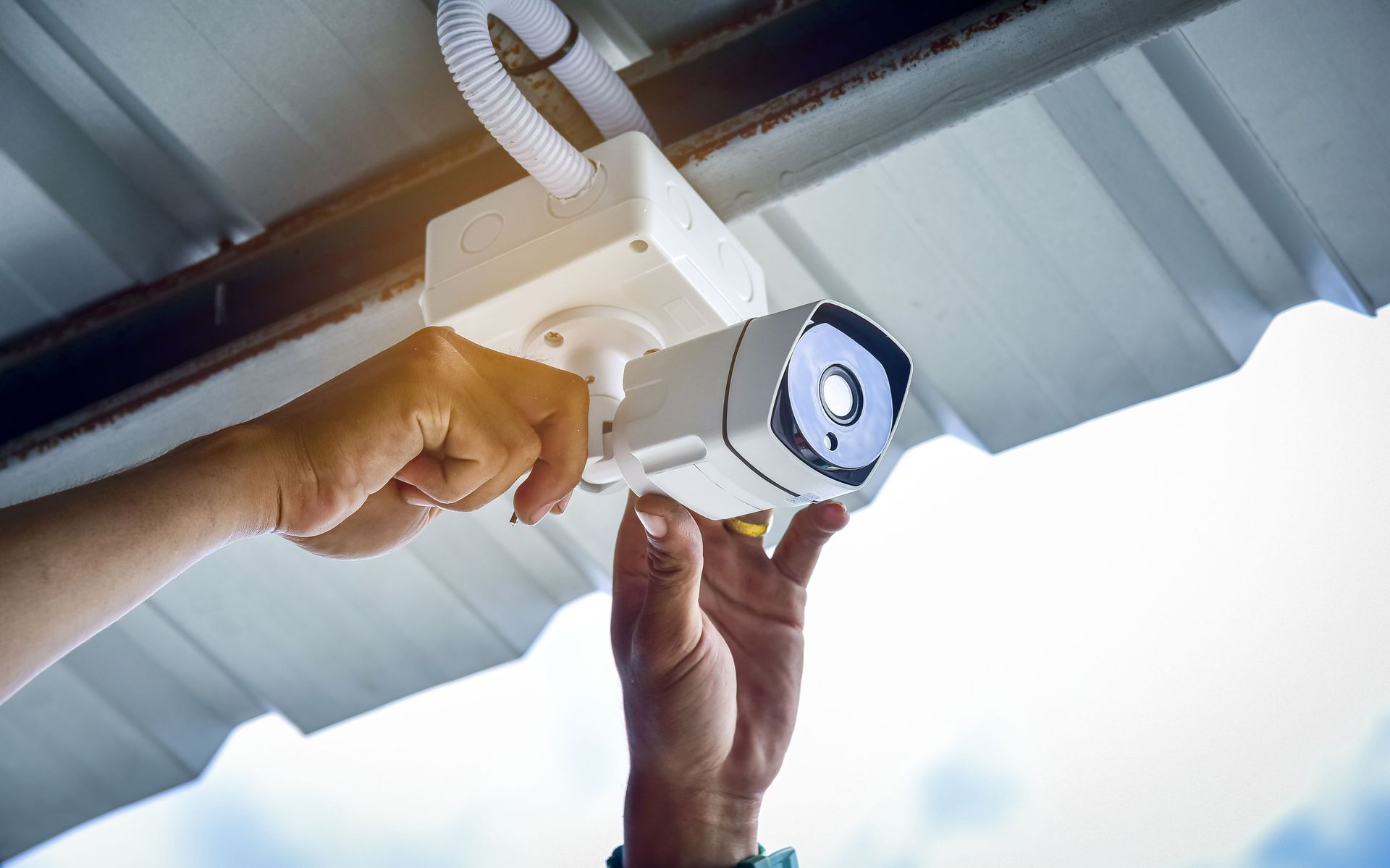
Motion detectors are an integral part of any modern security system, acting as a first line of detection for movement within protected areas. These devices identify activity within designated zones and trigger alerts when unusual movement is detected. Motion detectors use advanced sensing technology to identify movement within designated areas, triggering alerts when unusual activity is detected. When placed strategically around a property, motion detectors help extend coverage to areas that may be less visible, such as hallways and backyards. Effective detection can deter potential intruders and is often the catalyst for subsequent security responses. In many environments, they contribute to a structured approach where different detection points work together to provide broader coverage across the property. This allows activity to be observed in real time across multiple areas without relying on a single point of detection. The presence of multiple detection points can also help create a more even distribution of coverage throughout a space, ensuring that different zones are consistently accounted for within the system’s overall layout. This can be especially useful in properties with varied floor plans or multiple access areas. Motion detectors are commonly included as part of a security system that supports ongoing awareness across different areas of a property.
According to The Zebra, 46.9% of people don’t have a home security system installed in their home. Motion detectors communicate with connected security systems, helping ensure timely awareness of activity within protected areas. Alerts can be delivered through connected security platforms or mobile-based access tools, depending on the system setup. Motion detectors play an important role in strengthening overall security system coverage and supporting consistent monitoring across a property. These notifications help keep users informed about activity occurring within monitored spaces. In many setups, this flow of information supports ongoing visibility into system activity, allowing users to stay aware of changes or events as they occur. Over time, this can help create a clearer understanding of how different areas of a property are being used or accessed. A security system benefits from this type of continuous information flow across multiple connected components.
Considerations for Motion Detector Placement
Motion detectors are installed in areas where movement is likely to occur, helping support coverage across different parts of a property. This may include interior spaces such as hallways or shared rooms, as well as exterior areas near entry points. Placement is determined based on the layout of the property and the intended coverage of the security system. In many cases, positioning is influenced by how people naturally move through the space, ensuring that commonly used pathways are included within the system’s detection areas. Additional consideration is often given to how different zones connect, helping support coverage that feels evenly distributed across the property. A security system often depends on this type of structured placement to maintain consistent awareness.
Applying Indoor Motion Detection Systems
Within interior environments, motion detectors are commonly used to support coverage in rooms, corridors, and transitional spaces. These areas often serve as movement pathways within a building, making them important points for detection-based monitoring. Indoor setups are arranged to align with the layout of the property and the areas that experience regular activity. These placements can help maintain consistent awareness across spaces that are frequently accessed throughout the day. In some cases, interior configurations are designed to reflect how different rooms or sections of a building connect with one another, supporting a more complete sense of coverage. A security system used indoors often relies on this structured arrangement of detection points to maintain awareness across multiple zones.
Utilizing Outdoor Detection Systems
Outdoor motion detection is typically focused on areas surrounding a property where movement may occur before entry points are reached. These may include exterior walkways, driveways, or perimeter-adjacent spaces. Outdoor configurations are generally designed to extend system awareness beyond interior spaces and support broader coverage around the property. These areas often act as the first layer of observation for movement approaching a building, helping extend visibility beyond internal environments. Depending on the layout, outdoor detection may also support coverage between separate structures or access points on the same property. A security system that includes outdoor detection can help support awareness across the full perimeter of a property.
Integrating Alarm and Security Systems
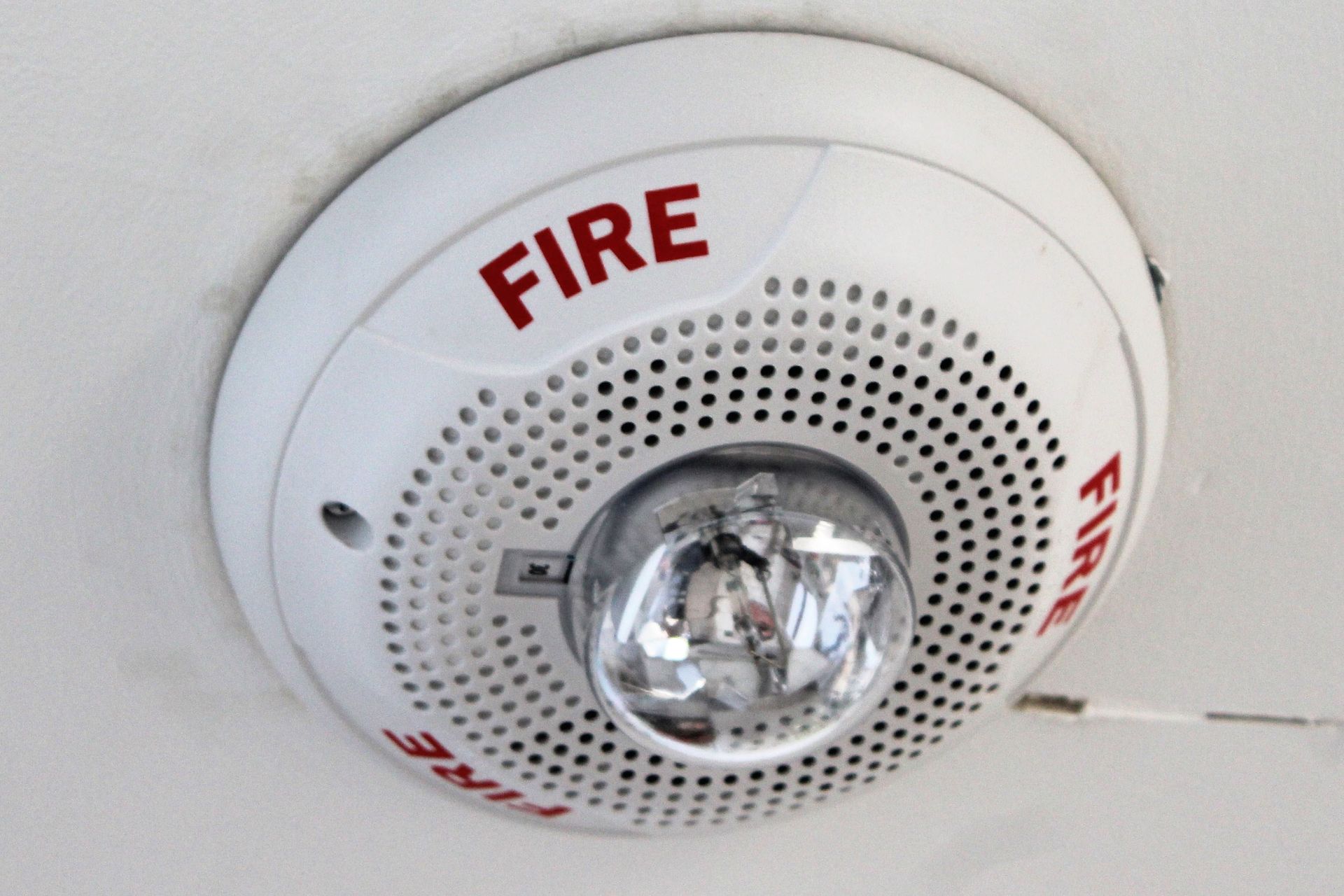
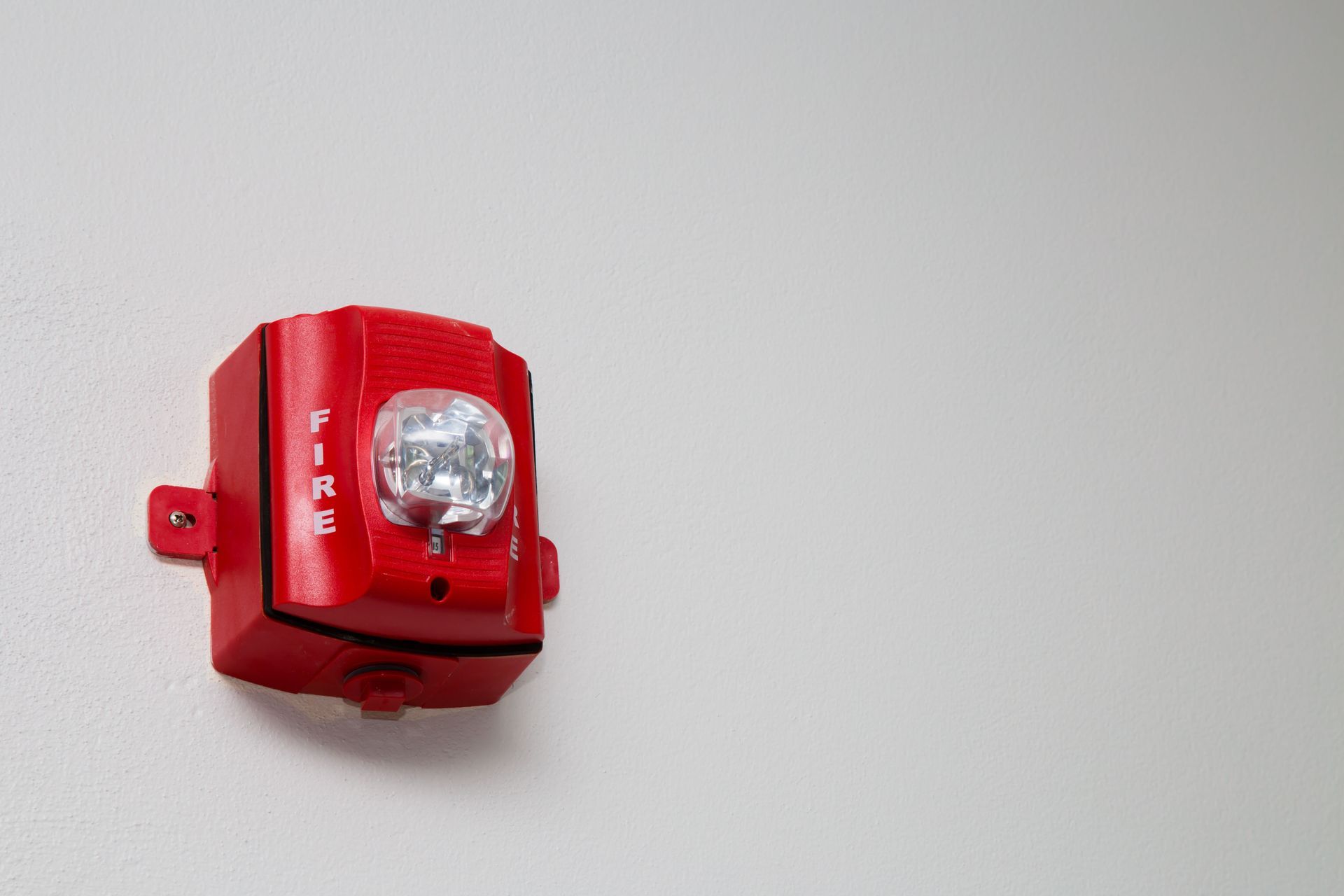
Motion detectors are commonly used as part of a wider alarm system that includes multiple detection and alert components. This integration allows different elements of the system to work together in identifying and responding to activity. When combined with other devices, motion detection contributes to a more connected security system setup across the property. This type of integration helps ensure that different parts of the system can function within a shared structure, supporting coordinated awareness across multiple zones. In many environments, this allows for a more unified approach to monitoring different areas under a single system. A security system often depends on this level of integration to maintain consistent coverage.
Structuring Integrated Security Systems
Motion detectors are commonly used alongside other components within a security system to support broader coverage across a property. They function as part of a connected setup that helps monitor activity across different areas. This integration allows multiple system elements to work together within a unified security system configuration. Within this type of setup, each component contributes to overall system coverage in its own way, helping ensure that different types of activity can be observed across the property. This creates a structured environment where multiple detection points support one another across the system. A security system designed in this way helps maintain broader awareness across different zones.
Managing Alerts in Security Systems
Motion detectors can be connected to security systems that send alerts when activity is detected within monitored areas. Notifications may be delivered through connected security platforms or mobile access tools, depending on the system setup. These alerts help keep users informed about activity occurring within their property. In many cases, notifications are part of a continuous information flow that helps maintain awareness of system status over time. This allows users to stay updated on activity across different areas without needing to directly monitor each component individually. A security system relies on these alerts to maintain consistent communication of activity across monitored zones.
Concluding Motion Detection Systems in Security Applications
Motion detection systems play an important role in supporting broader security system setups by extending visibility across different areas of a property. When integrated with other detection and monitoring components, they help maintain consistent awareness and support more complete observation of activity as it occurs. These systems are designed to function in both residential and commercial environments, allowing coverage to be adapted to a wide range of layouts and operational needs. As part of a complete security system configuration, motion detection continues to serve as one of several key elements that contribute to ongoing system awareness. To learn more, visit Alarmex Inc.